Source garden tools wall hook for Gardening, Garden, and Hotel
Find and compare 30 garden tools wall hook options from verified suppliers. Buyers can evaluate specifications like material, load capacity, and customization features for applications in gardening, hotels, and homes.
Key considerations
Products List
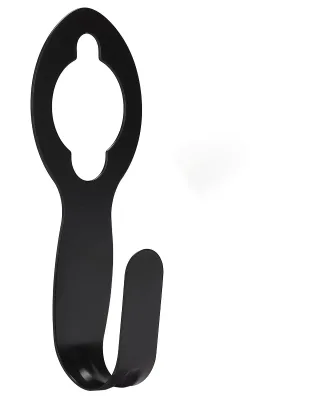


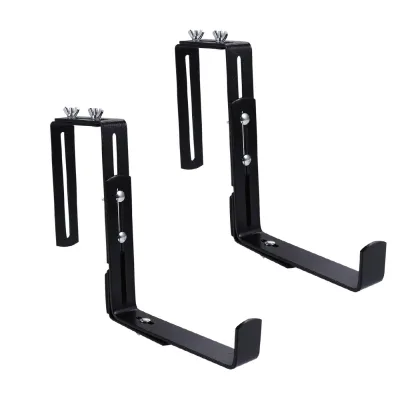
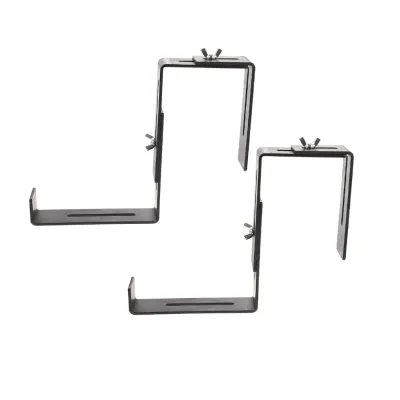


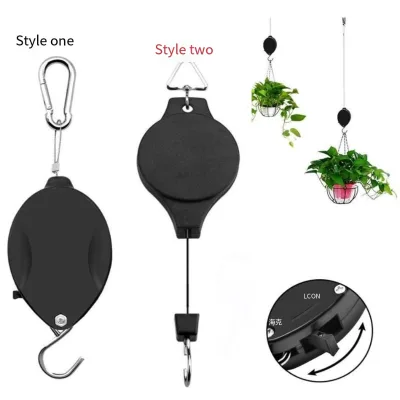


Comprehensive Sourcing Guide
Strategic Sourcing Guide for Garden Tools Wall Hooks
Understanding Product Specifications and Material Variance
When sourcing garden tools wall hooks, buyers must first navigate the significant variance in material composition and physical specifications observed in the current market. The product category is not monolithic; rather, it encompasses a spectrum of items ranging from simple decorative hooks to heavy-duty storage solutions for gardening equipment. A critical observation from available product data indicates that while some units are explicitly constructed from Plastic, others are fabricated using Steel or Nylon. This material diversity directly influences the intended application, durability, and load-bearing capacity of the final product.
For instance, specific listings identify the Material as Steel, which suggests a higher tolerance for weight and environmental exposure compared to plastic alternatives. Conversely, other entries list Nylon as the primary material, which may be preferred for lightweight applications or where corrosion resistance is paramount in humid garden environments. The physical dimensions also vary significantly. One observed specification lists item dimensions of 23.51514cm, indicating a substantial unit capable of holding multiple tools, while other models are defined by their functional style, such as the Hook style or Plain Dyed finishes.
Buyers must verify the exact Diameter and Width of the mounting hardware and the hook itself, as these are often omitted in general descriptions but are critical for installation compatibility. The Installation Type is frequently cited as Wall Mount, but the specific mounting mechanism (screws, adhesive, or drill-free) must be confirmed. Furthermore, the Color is often standardized to Green to blend with garden aesthetics, yet customization is frequently Available, allowing buyers to align the product with specific branding or landscape requirements. The Style may range from functional Hook designs to Vertical Blind styles or Plain patterns, depending on whether the primary use is tool storage or general utility.
Compliance, Certification, and Standard Verification
Navigating the regulatory landscape for garden tools and wall-mounted hardware requires a rigorous approach to certification and standard verification. The supply chain for these items often references international standards to ensure quality and safety. Observed data points to ISO9000, ROHS, and SGS as relevant standards that suppliers may claim to adhere to. ISO9000 indicates a commitment to quality management systems, which is essential for consistent manufacturing processes. ROHS compliance is particularly important for products containing metal or plastic components, ensuring that hazardous substances are minimized, which is a key requirement for export to many global markets.
Additionally, the Certification field often lists ISO as a general category, with a note that it can be Customized. This implies that while standard certifications exist, buyers may need to request specific documentation or testing reports to verify compliance with local regulations in their target market. For products intended for commercial use in hotels, hospitals, or cafes, as well as residential gardens, the Standard of the material and finish must be robust. Some listings mention a Standard thickness or dimension range of 4 mm to 12mm, which likely refers to the gauge of the steel or the thickness of the mounting plate. Buyers should not assume all products meet these specific ranges without requesting a mill test report or a third-party inspection certificate.
The Customization aspect extends to certifications as well. If a buyer requires specific environmental or safety certifications beyond the standard ISO or SGS marks, they must explicitly state this during the inquiry phase. The presence of Eco-Friendly features in some product descriptions suggests a growing market trend toward sustainable materials, but this claim must be substantiated by the supplier with verifiable data regarding the sourcing of raw materials or the recyclability of the product.
Cost Drivers and Pricing Structure Analysis
The pricing structure for garden tools wall hooks is influenced by a complex interplay of material costs, manufacturing complexity, and order volume. The observed Price Range in the market spans from 0 to 220 USD, a wide disparity that reflects the difference between basic, single-item units and bulk, customized commercial orders. This range does not necessarily indicate a per-unit price for a single hook but rather the total value of a transaction or a specific SKU depending on the volume.
MOQ (Minimum Order Quantity) is a primary driver of unit cost. Data shows an MOQ range from 10 to 100,000 units. A supplier with an MOQ of 2000 units will likely offer a significantly lower per-unit price compared to a supplier with an MOQ of 100 Pcs. The Selling Units are often listed as Single item, which can be misleading; this typically refers to the packaging unit rather than the transactional minimum. Buyers must calculate the total cost of ownership, including the MOQ requirement, to determine if the lower per-unit price justifies the higher inventory investment.
Other cost drivers include Customization levels. Products with Customized certifications, specific Colors, or unique Dimensions will incur higher tooling and setup costs. The Packing method also affects logistics costs. Some suppliers offer Gunny Bags or Cartons on Pallet for large shipments, while others use 1000PCS/Bag, 10bag/CTN configurations. The choice of Packing impacts the efficiency of shipping and storage, which can influence the final landed cost. Additionally, the Payment terms, such as Tt (Telegraphic Transfer), and the availability of Free samples can affect the initial cash flow and risk assessment for the buyer.
Typical Applications and Usage Scenarios
The versatility of garden tools wall hooks allows them to serve a wide array of applications beyond simple garden storage. The Application field explicitly lists Gardening and Garden, confirming their primary use case. However, the data also highlights usage in Hotel, Hospital, Home, and Cafe environments. This suggests that the design is adaptable to both outdoor and indoor settings. In a Garden context, these hooks are used to hang shovels, rakes, hoses, and pruning shears, keeping the workspace organized and tools accessible.
In commercial settings like Hotels and Hospitals, the Usage may extend to Bag, Garment, Shoe, and Belt storage, indicating a dual-purpose design where the hook serves as a general utility fixture. The Load capacity is a critical factor here. Some products specify a Load of 0-10kg, while others indicate a Weight Capacity of 5-10 kg. Buyers must match the load capacity to the intended application; a hook for a heavy garden hoe requires a higher load rating than one for a lightweight garden glove.
The Location of installation is also a key consideration. While the Installation Type is generally Wall Mount, the specific Location might be a Window area, a garage wall, or a utility room. The Style of the hook, whether Hook, Plain Dyed, or Vertical Blind, should align with the aesthetic of the space. For example, a Plain style might be preferred in a modern Cafe, while a Green colored hook might be chosen for a rustic Garden setting. The Usage of the hook for Bag or Garment storage in a Home setting further underscores the need for a design that balances strength with visual appeal.
Supplier Evaluation and Operational Capabilities
Evaluating suppliers for garden tools wall hooks requires a focus on their operational capabilities, location, and production flexibility. The Place of Origin is a significant indicator of supply chain dynamics. Most observed products originate from Zhejiang, China or Hebei, China, regions known for their manufacturing clusters in hardware and plastic goods. The Prod Origin is consistently listed as China, which provides a baseline for understanding the logistics and potential lead times.
Suppliers vary in their Production capabilities. Some offer Custom Size Accepted, which is a valuable feature for buyers with specific spatial constraints. The Model Number varies widely, from RD250 to JL-068 and Commercial designations, indicating a diverse product portfolio. Buyers should verify the Model Number to ensure they are sourcing the correct specification for their needs. The Stocks status is another critical factor; some suppliers indicate Yes for stocks, implying faster delivery for standard items, while others may require production runs.
The Delivery Time is a crucial metric for supply chain planning. Observed data suggests a Delivery Time of 20 days for certain orders, but this can vary based on the MOQ and customization requirements. Buyers should clarify the Lead Time for custom orders, as the Production of Customized items may extend beyond the standard timeframe. The Packing method, such as Depend on The Clients, indicates a flexible approach to logistics, which can be beneficial for buyers with specific shipping requirements.
Quality Control and Long-Term Procurement Considerations
Ensuring long-term success in sourcing garden tools wall hooks requires a robust quality control strategy and a focus on sustainable procurement practices. The Standard of the product, including ISO9000 and ROHS, provides a baseline for quality, but buyers must implement their own Quality Control checks. This includes verifying the Material integrity, such as the Steel or Nylon composition, and ensuring the Load capacity matches the stated specifications.
Long-term procurement considerations also involve the Customization process. If a buyer opts for Customized colors or dimensions, they must establish clear communication channels with the supplier to ensure that the final product meets the design intent. The Sample availability is a key tool for quality verification; many suppliers offer Free samples, which allows buyers to test the product's durability, finish, and mounting mechanism before committing to a large order.
The Payment terms, such as Tt, should be structured to protect the buyer's interests, potentially including milestones for quality inspection and delivery. The MOQ should be negotiated based on the buyer's sales forecast to avoid overstocking or stockouts. Finally, buyers should consider the Eco-Friendly attributes of the product, as sustainability is becoming a key differentiator in the market. By focusing on these factors, buyers can build a resilient supply chain for garden tools wall hooks that meets both current needs and future market demands.
Comparative Analysis of Product Attributes
To facilitate a clearer understanding of the market landscape, the following table summarizes the key attributes observed across different product listings. This comparison highlights the diversity in materials, specifications, and capabilities available to buyers.
| Attribute | Observation A | Observation B | Observation C |
|---|---|---|---|
| Material | Plastic | Steel | Nylon |
| Brand Name | EVERGREEN | Better pets | Generic/Custom |
| MOQ | 2000 | 100 Pcs | 10-100000 |
| Origin | Zhejiang, China | Hebei, China | Zhejiang Province, China |
| Model Number | RD250 | JL-068 | Commercial |
| Load Capacity | 0-10kg | 5-10 kg | Custom Size Accepted |
| Certification | ISO Customized | ISO9000, ROHS, SGS | ISO |
| Packing | 1000PCS/Bag | Gunny Bags or Cartons | Depend on The Clients |
| Delivery Time | 20 days | Variable | Variable |
| Application | Gardening, Garden | Hotel, Hospital, Home | Bag, Garment, Shoe |
This table illustrates that no single product fits all needs. Buyers must carefully select the product that aligns with their specific requirements regarding material strength, order volume, and intended application. The variation in MOQ and Origin also suggests that buyers should diversify their supplier base to mitigate risk and ensure supply continuity. By leveraging these insights, buyers can make informed decisions that optimize cost, quality, and operational efficiency in their procurement of garden tools wall hooks.
FAQs
What materials are used for garden tools wall hooks?
Garden tools wall hooks are typically made from steel, plastic, or nylon. Steel offers high load capacity, while plastic and nylon provide corrosion resistance for humid garden environments. Buyers should verify the specific material listed for each model to ensure durability.
Which certifications should I look for in these hooks?
Look for ISO9000, ROHS, and SGS certifications to ensure quality and safety. These standards confirm compliance with hazardous substance limits and quality management systems. Some suppliers offer customized certification options, so request specific documentation for your target market.
How much weight can a steel wall hook hold?
Steel garden tools wall hooks generally support a load between 0 to 10 kg. Specific models may have a weight capacity of 5 to 10 kg. Always check the product specifications for the exact load rating before purchasing for heavy equipment.
Can I customize the size and color of the hooks?
Yes, customization is available for size, color, and certification. Suppliers often accept custom sizes and offer green colors to match garden aesthetics. Buyers must explicitly request these customizations during the inquiry phase to align with specific branding or landscape requirements.
What is the typical delivery time for these products?
The standard delivery time is approximately 20 days for standard orders. This duration may vary based on the minimum order quantity and customization requirements. Suppliers with stock may offer faster delivery, while custom orders require additional production time.
Where are these wall hooks manufactured?
Most garden tools wall hooks are manufactured in Zhejiang or Hebei, China. These regions are known for their hardware and plastic manufacturing clusters. The place of origin is consistently listed as China, which influences logistics and potential lead times for international buyers.